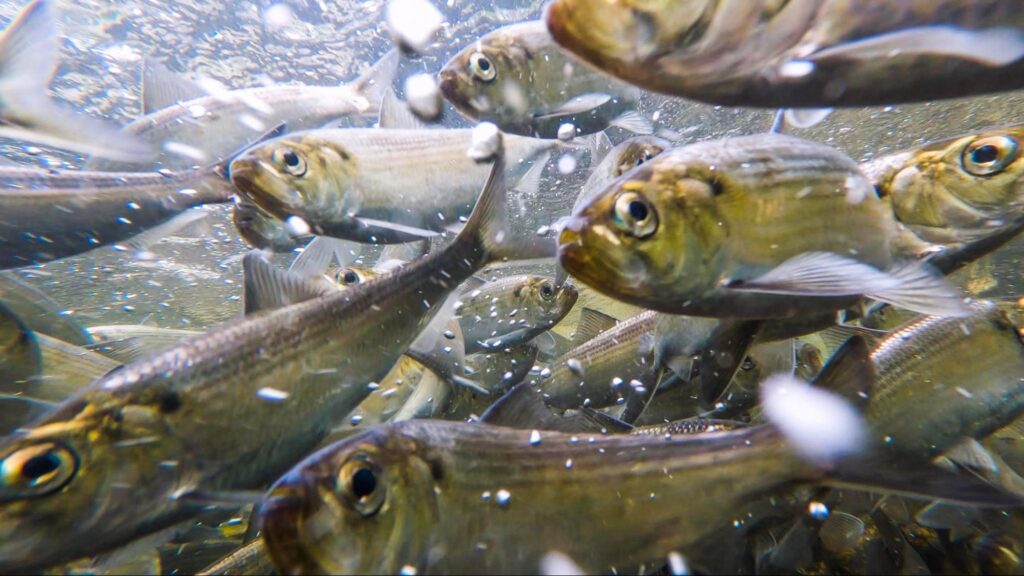
Here at IRWA, we talk a lot about fisheries restoration – especially for our unique migratory fish populations like river herring, American eel, and shad. One key component of fisheries restoration is habitat restoration. IRWA was fortunate to receive a Coastal Habitat and Water Quality grant from the MA Office of Coastal Zone Management (CZM) back in late 2024. This grant allowed us to partner with Gomez and Sullivan Engineers to complete the most extensive migratory fish habitat assessment of the Ipswich River to date and also prioritize restoration opportunities of those habitats.
You can check out the full report and attachments here but here is a rundown of interesting findings and takeaways:
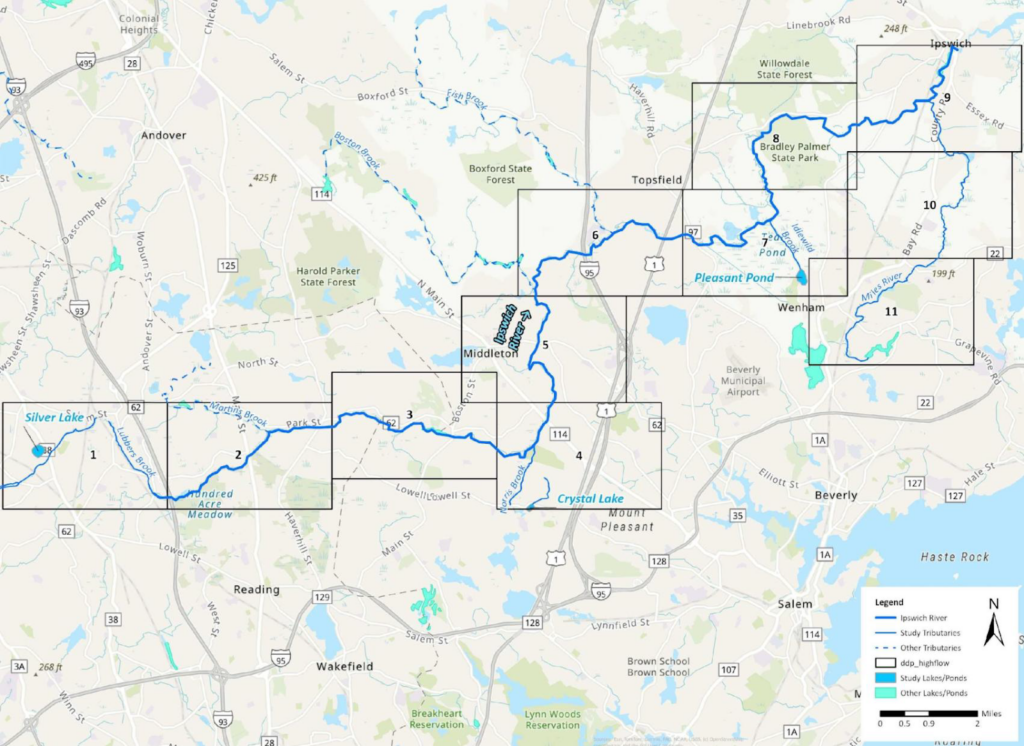
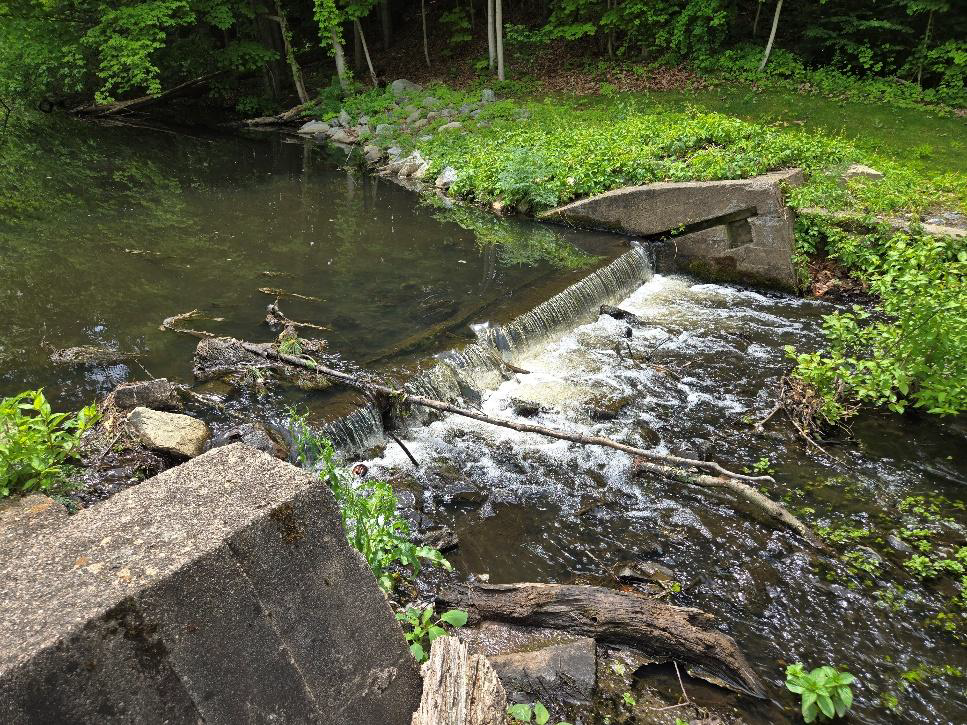
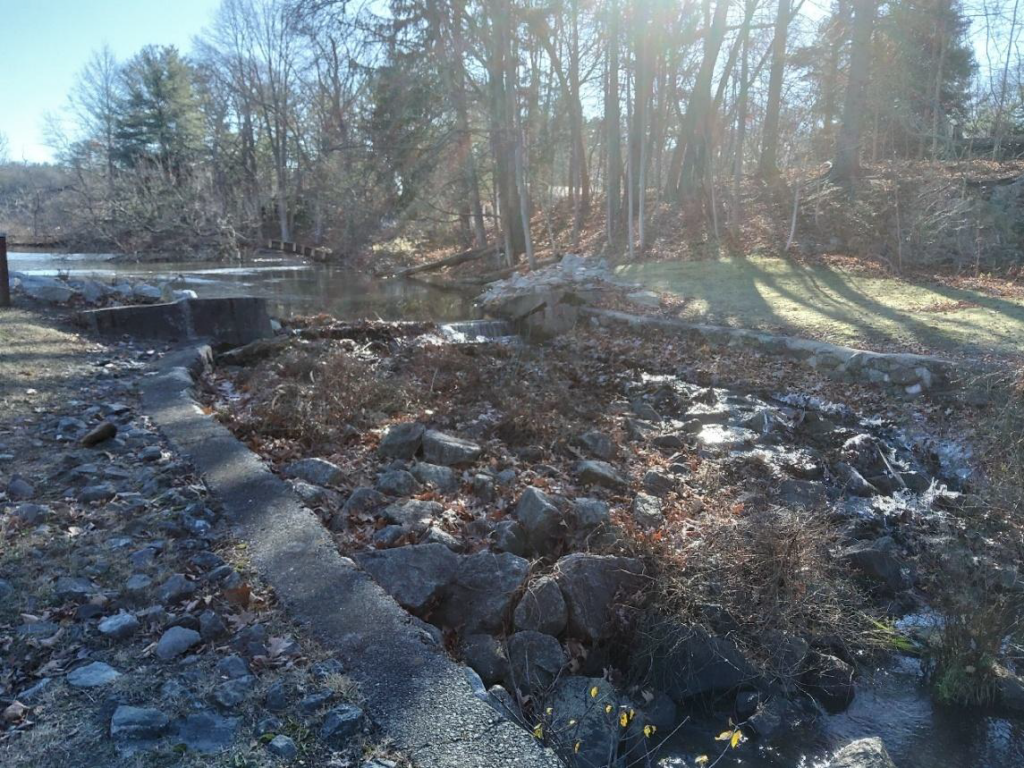
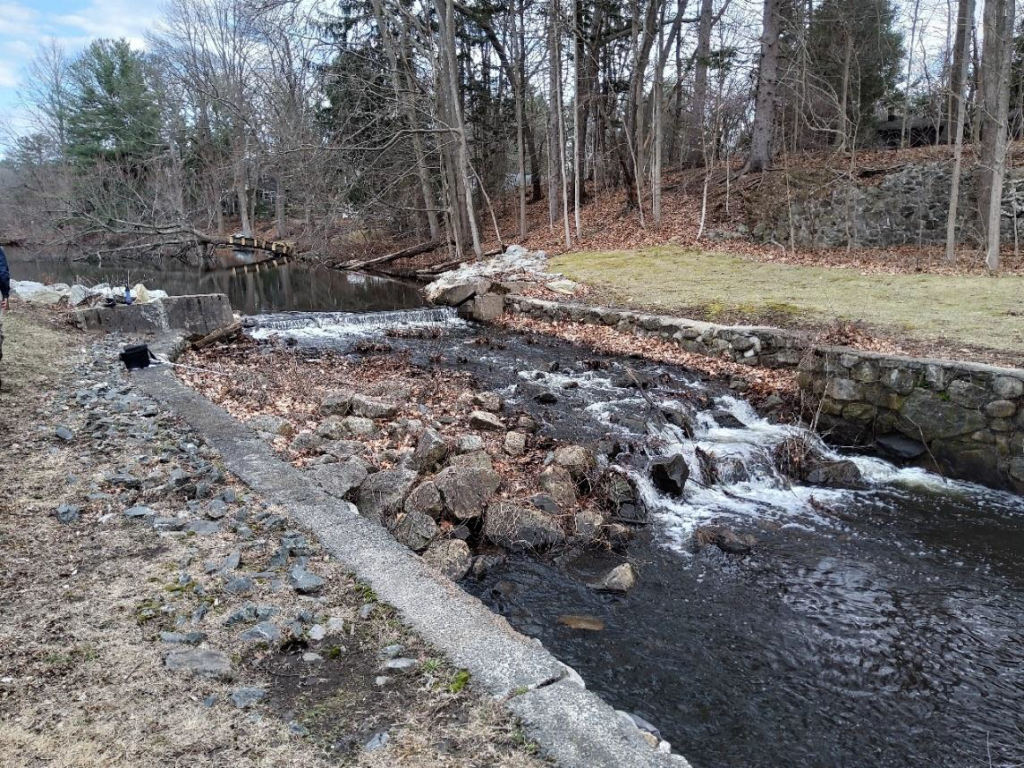
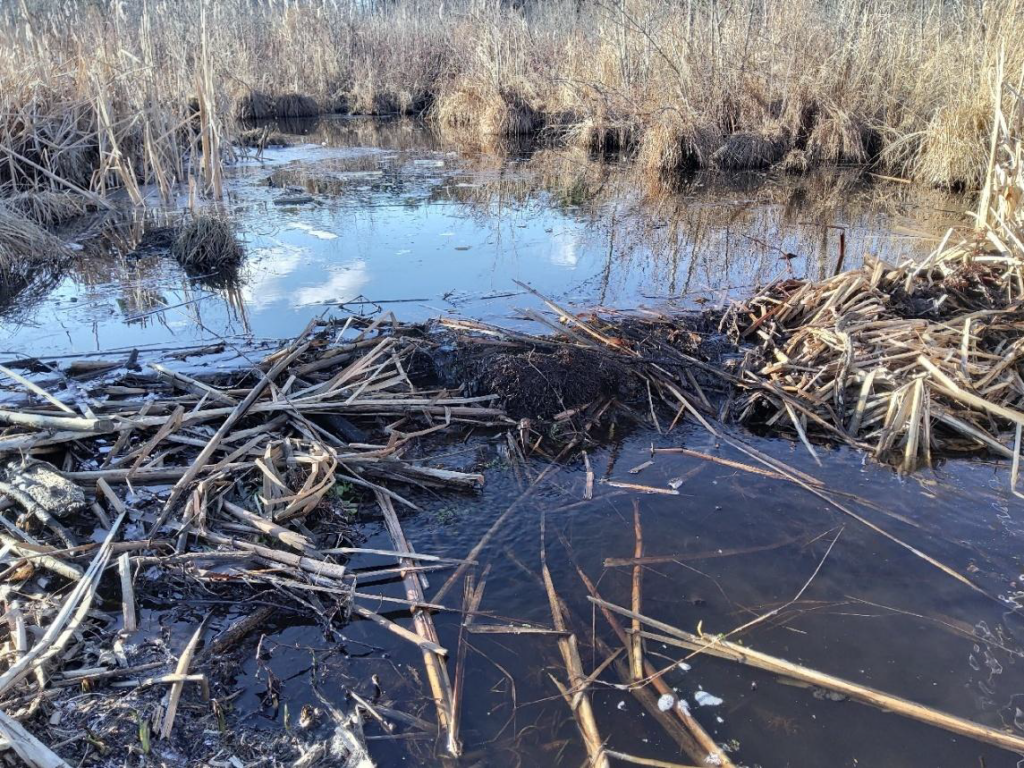
The study looked at 47 miles of mainstem and tributary habitat, which included identification of habitat types like riffles, runs, pools, braided, and deadwater. The study also identified any and all potential barriers to migration like culverts, dams, and beaver dams.
The construction of dams, culverts, and other man-made barriers both on the mainstem and tributaries of the Ipswich River led to significant population declines as these dams prevented fish from accessing large areas of habitat.
The study examined habitats during a range of flow conditions – this is important because spring river flows (when river herring are migrating upstream) can be vastly different than fall flows (when river herring are migrating downstream).
Overall, the watershed has a very limited number of significant barriers to fish migration — most barriers are minor and are generally passable at high flows. However, many of the tributaries that were surveyed could have fish passage issues at low-flows. Some of these will need to be more closely monitored if fish passage is a goal.
Many beaver dams were assessed throughout the watershed. Some of these may actually provide viable habitat for river herring as the beaver ponds have suitable water quality and substrate for spawning and rearing.
Next steps for this work will be to continue to work with our partners like MA Division of Marine Fisheries to determine where future monitoring and potential restoration would provide the greatest benefit. We are also hoping to solidify a shad stocking program in the Ipswich River as there is some suitable habitat.
Thanks again to MA CZM for the grant funding which allowed this work to be completed.